The single most damaging myth about work and careers is that the best way to success is hard work, suffering and sacrifice. Research shows that the exact opposite is true.

Here are all the reasons why happiness is the ultimate career booster.
The single most damaging myth about work and careers is that the best way to success is hard work, suffering and sacrifice. Research shows that the exact opposite is true.
Here are all the reasons why happiness is the ultimate career booster.
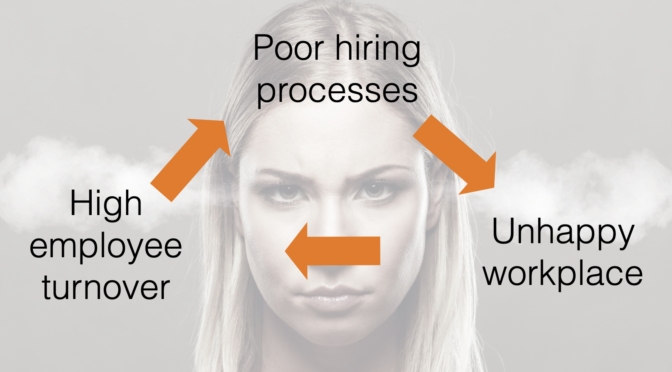
Many workplaces are stuck in a vicious cycle: Recruitment is rushed and haphazard so the workplace is unhappy so more people quit so they have to recruit even faster. We need to break this cycle.
I’ve had the privilege to visit and study a lot of the world’s happiest workplaces and one thing they all do really well is hiring. They take hiring very seriously and put a lot of effort into bringing in the right people and (equally important) keeping out the wrong ones.
In our recent webinar, we showed exactly how workplaces can hire for happiness, including:
You can watch the whole thing and download my slides and other materials here.
For the first time in human history we have actual research and data on what makes people happier and more successful in life and at work.
It would be almost criminally stupid not to study this research and apply it in out workplaces. Sadly, many workplaces are blind to all of these studies and consequently, they waste so much time and money on well-being initiatives that are doomed to fail.
Watch our 30-minute webinar and learn the 5 most important findings from the happiness research that are relevant for workplaces. Topics include:
You can watch the whole thing and download my slides and other materials here.

Do you know exactly why happy workplaces get better results?
This is such an important issue because knowing this is what drives workplaces to take happiness seriously and make employee wellbeing a strategic priority.

In our 30-minute webinar last week we showed exactly what a company gets out of focusing on happiness at work and how you can use that knowledge to make it a priority in your workplace.
We’ve shared the full webinar here along with additional materials, including the slides and links to related articles and books.
Feel free to share this with others who would be interested in promoting happiness at work. We honestly think it’s the most important success parameter for a modern workplace.
If you have any questions about this topic please shoot me a message or write a comment on the webinar page.
We have more free webinars coming up – see the full list of events here.
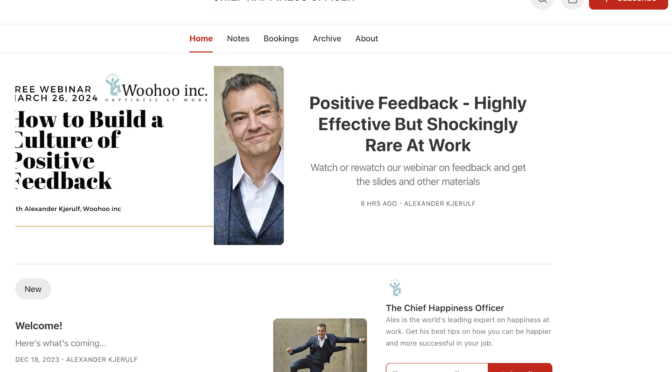
I have just launched a brand new newsletter about happiness at work on substack.
I will be sharing 20 years of research and experience to give you the knowledge and tools you need to build happier and more successful workplaces.
It’s all going to be science-based, practical and fun. We’re also going to poke the bear and debunk some of the worst career advice and most toxic management ideas.
You can read more here on what updates are coming and if you have any suggestions for topics I’d love to hear from you.
Go ahead and subscribe – it’s free!
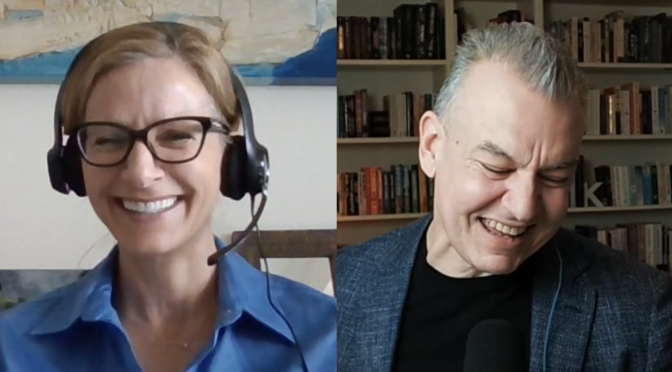
A fascinating brand new study by William Fleming shows that sending employees off to yoga classes, mindfulness lessons or stress management trainings has NO positive effects. In some cases it actually backfires and makes things worse.
That’s a shame because companies keep focusing on these individual-level interventions in their attempts to make employees less stressed and more happy and motivated at work. Which is not only a waste of time and money but also distracts companies from doing things that actually do work.
In this video I talk to Dr. Louise Lambert about the study. We cover:
We all know that employee wellbeing is absolutely crucial, so the good news is that there ARE things that companies can do that work. And ironically these things are not only more effective but also a lot cheaper and faster than yoga classes or sleep trainings.
So we should probably do more of that :)
What do you think? Are these types of individual-level interventions a complete waste of time or do they have their place? What’s the best way for companies to actually make their employees happier? Have you been to a stress management training and did it make you more or less stressed? Write a comment, we’d love to hear your thoughts on this topic.
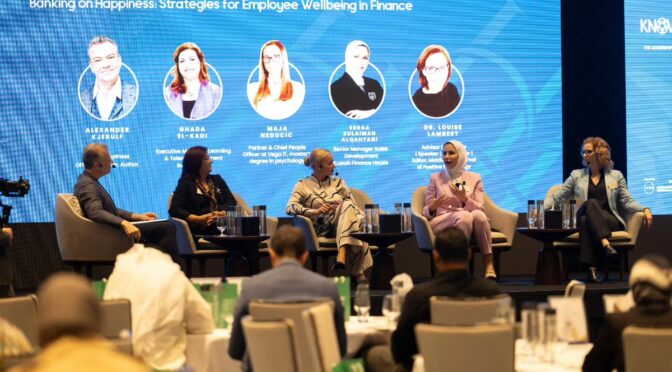
I just returned from speaking at The Happiness Effect conference in Kuwait. I was blown away by the whole event and especially by the organizers from Algas Events who were very organized and incredibly generous and hospitable.
The highlight for me was to reconnect with my friends Maja Neducic and Louise Lambert and see them shine on stage. Louise updated everyone on the latest research on happiness at work and Maja talked about the amazing culture at Vega It.
I love how much of a focus there is on happiness at work in the region and I hope my talks gave the participating organizations some ideas for how to take it even further.



How do you handle a bad boss at work before they mess you up too much?
I JUST NOW published a video that takes a deep dive on the science, history and philosophy on bad bosses.
You can really help me if you watch it, like it and especially if you write a comment :)
And here are all the links and source from the video:
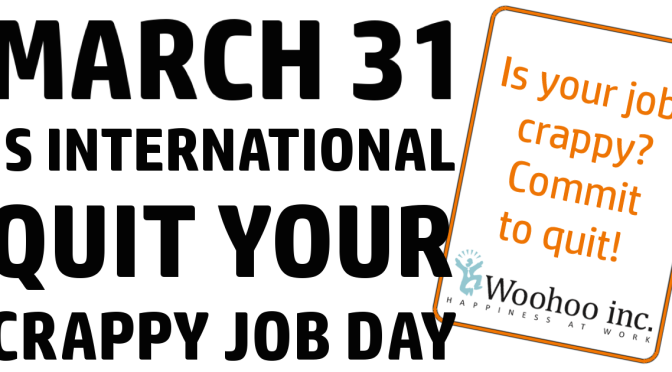

A bad job hurts your health, your career and your family. So we created a website with information and resources you can use to find out if it’s time to quit.
You can also test yourself and see if it’s time to quit – over 16,000 people have taken the test already!
If you’re unhappy at work check it out. If someone you care about is stuck in a crappy job, share this with them.

Things have gone from bad to worse at twitter since Elon Musk bought the company three months ago. The problem is Elon. Some recent events have revealed Musk’s MOST fundamental flaw as a leader.
In this video I want to talk about what that flaw is and how other business leaders can avoid making the same mistakes.
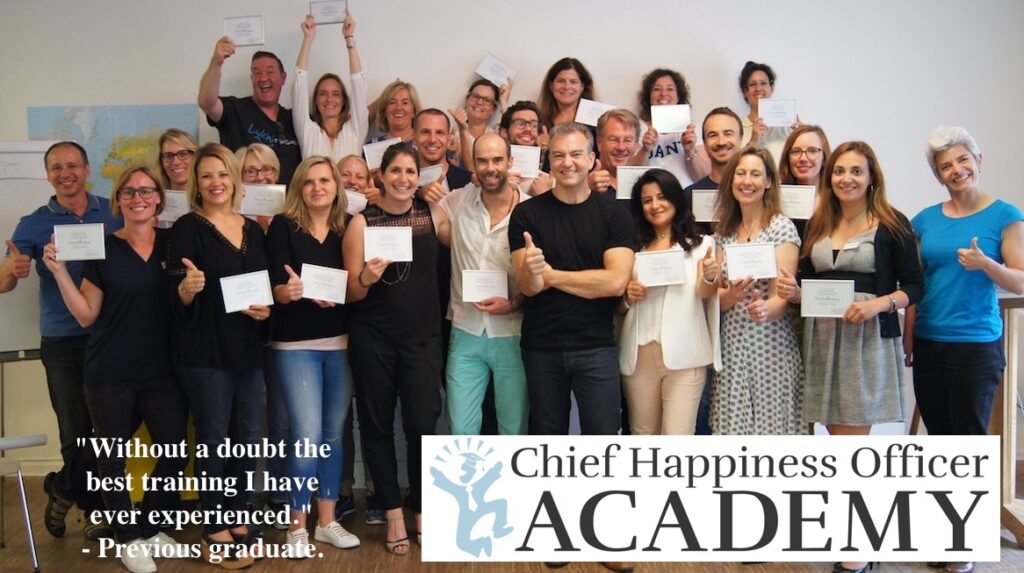
June 2-5 2026
The Chief Happiness Officer Academy is our most in-depth 3-day training where we share everything we know about creating happier workplaces. Get an in-depth background in happiness at work, hear about the latest research in the field and learn how to use this in your own business.