Tag: featured

  • 5 ways to create some happiness in the office this Christmas

    5 ways to create some happiness in the office this Christmas

    December can be a cold, dark, busy and stressful month at work.

    Or we can use the Christmas season to actively create some cheer in the office. Here are 5 great ways to do it.

    1: Random acts of Christmas cheer

    nissebanden

    Here’s a great example from a Danish company called Solar, where two department managers Carsten and Karsten toured the entire office and ris a la mande (a traditional Danish Christmas dessert) for all their employees.

    Here’s a video of them doing it:

    The holiday season is a great opportunity to make other people happy. What could you do? Hand out candy? Sing carols together?

    2: Decorate like crazy

    christmas-office-decorating

    A few years ago I was flying out of Copenhagen and at the airport I saw this office that had been decorated with with insane amounts of Christmas decorations. Just looking at it put me in a happier Christmas mood.

    Why not decorate your workplace in a fun, over-the-top way? You could even sit down together and make your own handcrafted seasonal decorations.

    3: Stealthy acts of kindness

    Many Danish workplaces have a Christmas tradition for pranking each other in december. The way it works is this: each person draws the name of a team member and has to lightly prank that person throughout the month without getting caught.

    Like maybe gift wrapping their office:

    We suggest turning that on its head and make the game about doing nice things for the other person without getting caught. Maybe hide some candy in their desk, write them a note with positive feedback or send them a slice of cake anonymously. Or maybe even gift wrapping their desk, if you think it would make that person smile.

    Then on the last working day before the Christmas break you can get the team together and let them try to guess who’s been nice to them all month.

    4: The Christmas Dice Gift Grab Game (only opposite)

    At many Christmas workplace events, teams play the Dice Grab Game. The rules are simple: Everyone brings a wrapped (cheap) present and places it on the table. People take turn to roll a die and if you roll a 6 you get to take a present from the table. Once all the presents are taken, a 6 let’s you take a present from another player.

    It can get pretty intense :)

    So change the game like this:When you roll a 6, you get to take a present from one player and give it to someone else.

    It changes the dynamics of the game completely and makes it a lot more fun and a lot less competitive.

    Try this version with your family – it works really well when there are children present too.

    5: Give each other Christmas presents

    Some workplaces give all employees a Christmas present, which is nice, sure, but not really something that tends to make people terribly happy. This is mostly because the gifts are not personal, so they’re not an indication of you contributions or how you’re seen as a person.

    But we’ve convinced some of your clients to do this differently, and get team member to buy presents for each other. Here’s how it works:

    At the beginning of december, each employee draws the name of one of their team member and get to buy a present for that person. They will of course be reimbursed by the company and there’s a maximum amount they can spend.

    They are not allowed to just ask that person what they should buy them. They have to figure out what that person wants for Christmas and what gift would make them happy.

    Throughout December people buy their gifts, wrap them and out them under the office Christmas tree.

    At the end of December, the team has a holiday party where the gifts are given and unwrapped. Only the do you find out who’s bought you something.

    The advantages of this method are:

    1. The gifts are personal and specifically chosen for each person.
    2. Co-workers get a chance to get to know each other better.
    3. People think investigating each other and picking the present is a lot of fun in itself.

    Your take

    What do you think? Would any of this work in your workplace?

    What is December otherwise like where you work? Fun or busy or both? What have you done to create some Christmas cheer at work?

    Write a comment, we’d love to her your take,

    Related posts

  • Happiness all around the world

    Happiness all around the world

    I am back after a 17-day trip to 4 different countries.

    The trip started in Surinam, a small country just north of Brazil. Together with one of our Dutch partners, Gea Peper of The Happiness Bureau, I did a workshop for an HR network.

    2016-10-11-13-04-34

    Surinam is currently facing an economic crisis, so we focused especially on how to create happiness at work in tough times. We were also guests on a Surinamese TV show called Panorama.

    2016-10-11-21-49-55

    After that Gea and I flew on to Curacao in the Caribbean where we did another workshop for HR leaders.2016-10-14-16-48-40

    The workshop ended with balloons :) We also did an interview with Dolfijn FM who have their studio right on the beach. Awesome! And of course there was time for a little bit of sightseeing. Curaco used to be a Dutch colony, so the capital Willemstad basically looks like Amsterdam in the Caribbeans.

    2016-10-13-12-36-38

    2016-10-15-11-16-09

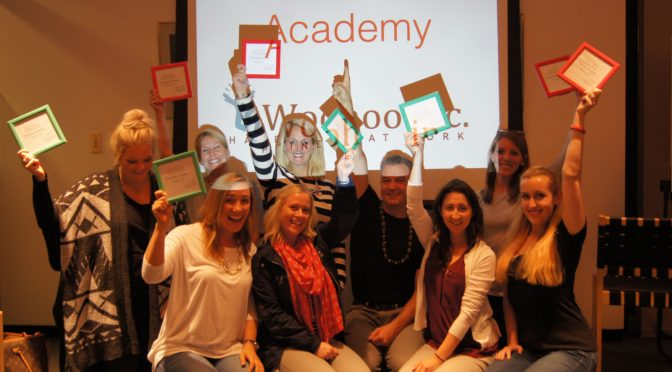
    From curacao I flew to New York City, where I met up with my awesome coworker Arlette to lead our 4th international Woohoo Inc Academy.

    SONY DSC

    SONY DSC

    9 wonderful people from different US companies had signed up for the 3-day Academy and as far as we can tell from their feedback, everyone had a blast and learned a lot. The Academy included a visit to Next Jump, one of the happiest workplaces we know, and some sightseeing, including a guided tour of Grand Central Terminal and a cruise on the East River.

    SONY DSC

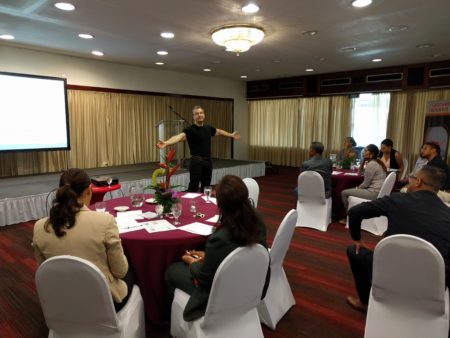
    And following that I flew to Dubai to speak at the 18th Global Women in Leadership Forum, where I did the opening keynote on day 2 and particularly made the point that if we want to create happier workplaces, we need more women in leadership positions.

    Here are some reactions from twitter:

    And then I flew home. My internal clock is so fried, I’m not even sure I have jetlag at all.

    But I’m also incredibly encouraged to once again have had the chance to spread the gospel of happiness at work in some new countries and to find so many like-minded people all over the world who agree that this is an incredibly important topic that businesses need to act on.

    In fact, this trip brings the total number of countries we’ve spoken in to 41. Here’s the complete list:

    1. Antigua
    2. Bahamas
    3. Bulgaria
    4. Chile
    5. Croatia
    6. Curaçao
    7. Czech Republic
    8. Denmark
    9. Dominican Republic
    10. Estonia
    11. France
    12. Germany
    13. Greenland
    14. Guatemala
    15. Iceland
    16. India
    17. Ireland
    18. Italy
    19. Japan
    20. Israel
    21. Kuwait
    22. Luxembourg
    23. Netherlands
    24. Norway
    25. Poland
    26. Portugal
    27. Romania
    28. Russia
    29. Serbia
    30. Slovakia
    31. Slovenia
    32. South Africa
    33. Spain
    34. Sri Lanka
    35. Suriname
    36. Sweden
    37. ?Switzerland
    38. Turkey
    39. United Arab Emirates
    40. United Kingdom
    41. USA
  • 5 reasons you should close your inbox on your next vacation

    5 reasons you should close your inbox on your next vacation

    If you have some vacation time coming up, and if you’re like most people, you will put up an autoreply email just before you leave, saying that you’re gone, when you’ll be back and who to contact if it’s urgent.

    Although this approach is nearly universal, it has two massive flaws:

    1. Emails still reach your inbox, tempting you to check work email on your vacation just to make sure that nothing urgent is happening that requires your attention or to reduce email overload when you get back.
    2. When you come back from vacation, there may be hundreds of emails in your inbox.

    I have talked to many people who mention both of these as a source of stress and I’ve just seen too many parents on family vacations handling work emails on their phone/laptop by the pool, when they should’ve been playing with their kids.

    Fortunately there’s an alternative: Close your inbox while you’re away. This may seem like a weird idea but some workplaces are already doing it:

    The car and truck maker Daimler has implemented a new program that allows employees to set their email software to automatically delete incoming emails while they are on vacation.

    When an email is sent, the program, which is called “Mail on Holiday,” issues a reply to the sender that the person is out of the office and that the email will be deleted, while also offering the contact information of another employee for pressing matters.

    I think this is brilliant and ought to become the standard way we handle emails on vacations.

    The autoreply during your holiday would then look something like this:

    I’m on vacation and your email was not delivered to me. You can resend it when I’m back at the office on August 4 and I’ll be happy to get back to you then.

    Or if it’s urgent, you can contact these great people:

    lisa@company.com
    stephen@company.com

    Best,

    John

    Email

    Here are 5 reasons why you should close your work inbox completely on your next holiday.

    1: The “normal” way is fundamentally unfair

    Here’s the problem: You’re away from work. As part of your contract with the company, you have time off and yet emails still reach you. This means that some of the work from your vacation time is simply shifted into your post-vacation work days.

    And I don’t think I’ve ever heard of a company that plans for their employees to have extra time after a vacation to deal with the emails that came in during the vacation. Therefore this becomes extra work you have to do on top of your regular tasks.

    One consequence of this is that many people end up checking their emails and responding to them during their holidays, which is also unfair. You’re entitled to time away from work. That’s what a holiday is.

    But one of the most insidious effects of this is that taking longer stretches of time away from the office is punished immediately upon return, because your inbox will be full to overflowing. I haven’t seen any research on this, but I could easily imagine that this would subconsciously discourage people from taking time off or at the very least increase stress around any time off.

    2: You can relax more on your vacation

    When you know in advance that not a single work email will tick in, you can relax more. You can better be present in your vacation activities and be with the people you love.

    3: You get to find out you’re not indispensable

    Imagine going away for 2 weeks without dealing with incoming emails and coming back to find that the world has not ended, the office is not on fire and the company didn’t bankrupt itself in your absence. In fact, things went pretty smoothly without you.

    Being indispensable at work can give you quite a kick, but it’s a dangerous addiction.

    In short, while you’re a valued employee who does great work, you are not indispensable. No one is. Or at least, no one should be. If your workplace cannot function at all without you, that is a clear failure of organization and leadership.

    Knowing that things can function without you leads to a lot less stress and makes it easier for you to take time off in the future.

    4: You teach others you’re not available 24/7

    In my company, bosses send emails at all hours –  late at night, on the weekend or during vacations – and always expect an answer. If you don’t react within 20 minutes, you get a text message demanding a reply. If you don’t react to that, they call you on the phone. They basically expect us to always be available.

    Some clients (these can be external or internal clients/managers/co-workers) have developed an expectation that others are available to them 24/7.

    Closing your inbox sets boundaries and shows them that this is not the way things are.

    5: Come back more productive

    And finally, closing your inbox means that when you get back to the office, you can instantly be more effective because you don’t have to deal with a backlog of hundreds of emails and having to figure out which of them were important, which are still relevant and which were handled by others while you were gone.

    If you go on vacation with an empty inbox, you come back to an empty inbox. Anything important that wasn’t handled in your absence can be resent to you now that people know you’re back.

    What if your workplace won’t let you do it?

    I took most of July off this and did exactly this. However, I’m self-employed, so I can do whatever I want :)

    But what if your workplace won’t allow you to do it? If that’s the case, there’s also a middle way.

    Julian Troian is the Chief Happiness Officer of a company in Luxembourg called Etix Everywhere. His autroreply gives people an option to interrupt his vacation but also makes it clear that there’s a cost:

    I am currently out of the office on vacation.

    I know I’m supposed to say that I’ll have limited access to email and won’t be able to respond until I return… but that’s not true. My iPhone will be with me and I can respond if I need to. And I recognize that I’ll probably need to interrupt my vacation from time to time to deal with something urgent.

    That said, I promised my family that I am going to try to disconnect, get away and enjoy our time together as much as possible. So, I’m going to leave the decision in your hands:

    If your email truly is urgent and you need a response while I’m on vacation, please give me a call on +352.xxxxxx and I’ll try to take your call and provide you with assistance.

    If you think someone else at Etix Everywhere might be able to help you, feel free to email one of my colleagues at HR : xxxxx@etixgroup.com and they’ll try to point you in the right direction.

    Otherwise, I’ll respond when I return…

    Warm regards,
    Julian

    Julian says it works really well and people only interrupt him when it’s something urgent that only he can deal with.

    Your take

    How will you handle emails on your next vacation? Could you close your inbox?

    Related posts

  • Check out the amazing work our partners are doing around the world

    Check out the amazing work our partners are doing around the world

    woohoo partners logo

    We currently have partners in 15 different countries and following the amazing work these companies do fills me with pride. It is beyond amazing to see so many people all around the world committed to promoting happiness at work. Here are just a few recent examples – all of these took place within the last month or so.

    If you are looking for someone to help your workplace become happier and more successful, you should absolutely talk to one of our partners. And if you’re thinking that you might like to do the same kind of work, we are looking for more partners.

    Argentina

    Our partner in Argentina spoke at an international conference on happiness at work. Here’s an excerpt of his speech:

    Germany

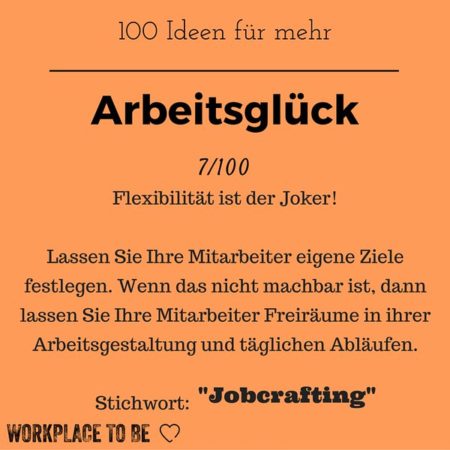
    Workplace To Be in Germany  is tweeting 100 tips for more happiness at work:
    100tips

    Follow Annika here or see her excellent TEDx talk here.

    Holland

    One of our Dutch Partners, Happy People Better Business, arranged an entire conference about happiness at work in The Hague. Here’s an overview of the day:

    Mexico

    Avive in Mexico spoke and exhibited at an event in Mexico City. Here are some pics from their booth:

    IMG_2590 IMG_2595

    Australia

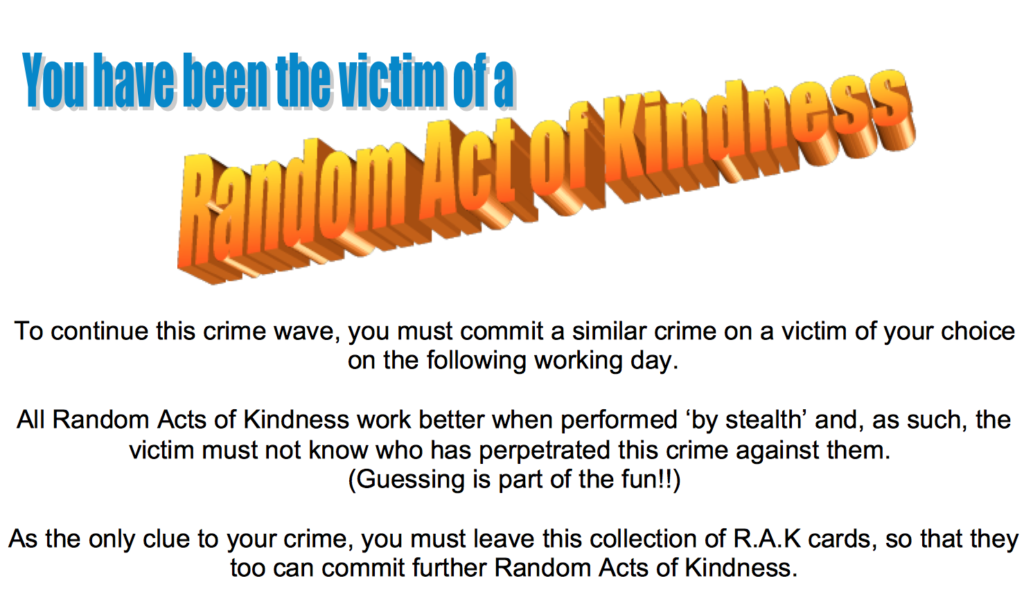
    Brett Leadbetter, our man in Australia, introduced these cards at a client:

    random act cards

    Here’s his explanation:

    I have just used this with a school where we presented a ‘Happiness at Work’ Day earlier in the year. I placed a pile of these cards anonymously, with a few gifts (fun stickers, pencils, erasers) for a teacher at the school, encouraging them to continue the ‘crime-spree’ – about to find out the results. We have used them in the past as a ‘unofficial gauge’ of the culture of a school – sometimes this tells us more than the official opinion surveys!

    Staff don’t need to spend money, just come up with a way to make someone’s day – we’ve had cars washed, playground duties covered (a big one with teachers!), sometimes bringing someone a coffee or cup of tea on a busy day works well.

    Holland (again)

    Another one of our Dutch partners, Toptimism at Work, made this beautiful video:

    Denmark

    Bloch&Østergaard just revolutionized performance reviews for one client by changing them to a network-based model. Here’s how they did it:

    Yesterday we killed the annual boss/employee appraisal-and-development-plan meeting for on of our clients, and replaced it with a network-based mentor-board approach for development and well-being for employees.

    We wanted to remove the hub-and-spoke approach to development planning, and replace it with sincere care and advice from people in the organization, that knows what you’re working with, how you approach it, and how well the interaction with colleagues is handled.

    We started two months ago by mapping the organisational network structure, (who do you work with, who do you get sparring from, who do you get energy from, and who do you talk to about private matters), from which we have established mentor boards for each employee, consisting of two people from the network, that you yourself have pointed towards in the net work analysis. The mentor board will then help/coach you and support you in your development, gather feedback from the network, and strive to nurture well-being. Results and relations must be discussed on each “board meeting”, and happiness at work is explicitly part of the templates and material.

    Will it work? I think so. It was received by one of the most experienced male specialists in the group with the words “this is brilliant!”

    How incredibly awesome!

    Serbia

    Vega IT arranged a relay race for charity not just for their own employees but for all IT companies in Novi Sad. 184 runners organized in 46 teams participated.

    vega relay race

    Turkey

    Power of Happiness in Turkey just had their second annual international conference about happiness at work. I spoke at the first one but it looks like this one was even more awesome:

    Find a partner / become a partner

    You can see all our Woohoo Partners here or apply to become one yourself here.

  • 10 simple things the CEO can do to create a happy workplace

    10 simple things the CEO can do to create a happy workplace

    happy org chart

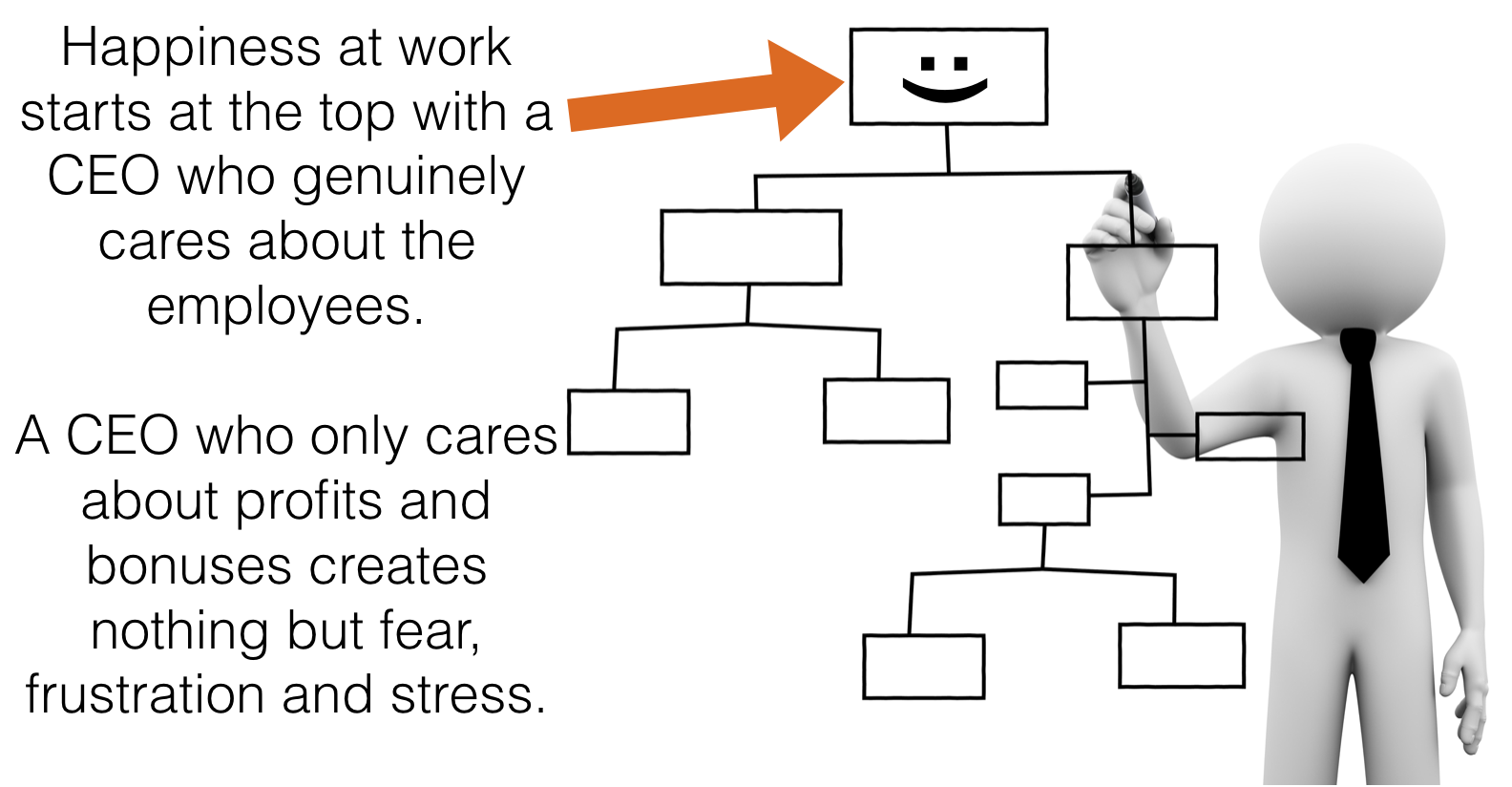
    Happiness at work starts from the top. This is one of the fundamental truths of happy workplaces.

    In any organization where people consistently love to work, you will find a CEO and executive leadership team that places employee happiness among their top strategic priorities and act accordingly.

    One of our favorite examples of a CEO who truly gets this is Herb Kelleher of Southwest Airlines (since retired), who put it like this:

    When I started out, business school professors liked to pose a conundrum: Which do you put first, your employees, your customers, or your shareholders? As if that were an unanswerable question.

    My answer was very easy: You put your employees first. If you truly treat your employees that way, they will treat your customers well, your customers will come back, and that’s what makes your shareholders happy.

    So there is no constituency at war with any other constituency. Ultimately, it’s shareholder value that you’re producing.

    If, on the other hand, you have top brass who don’t give a damn about anything but the bottom line and their own bonuses and stock options, I can flat-out guarantee that you will create an organization with very little happiness but with a lot of fear, stress and frustration. And, ironically, with poor bottom line results.

    So top executives MUST make employee happiness one of their most important goal. Both because it’s the right thing to do for the sake of their people, but also because it will actually make the company more successful. Studies consistently show that happy workplaces make more money.

    But how does a CEO or top executive practice this on a daily basis? What can they do to make their organization happier?

    Here are 10 great real-life examples that we’ve seen work really well in workplaces around the world.

    10: Regular lunches with employees

    During a speech in Istanbul, I met an executive of a huge Turkish organization who has had a monthly lunch with 10 randomly picked employees for years now. Every month 10 employees get a chance to have a nice lunch and over the course of a couple of hours get to ask any question they want and air any concerns or complaints.

    They also get a chance to meet him in an informal setting and get a sense of who he is as a person.

    9: Random acts of workplace kindness
    medis 1

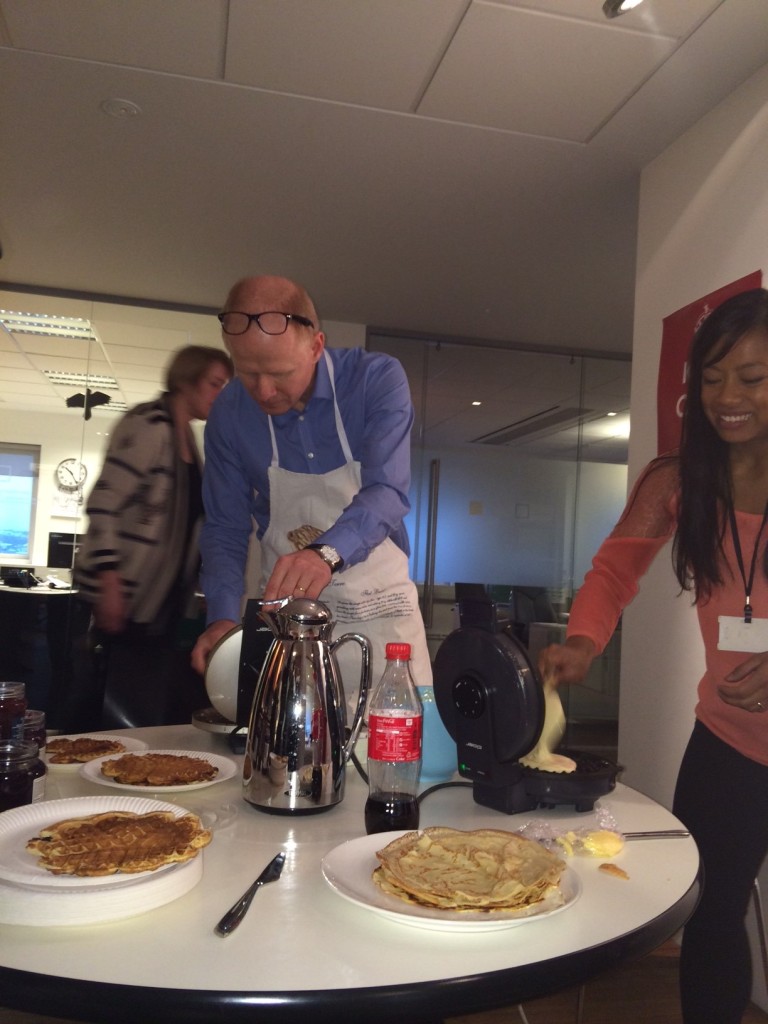
    Some CEOs enjoy doing little random things to surprise and delight their staff. Here’s an example from Medis, one of our clients in Iceland, where the CEO decided to make fresh pancakes and waffles for anyone passing by.

    He even had a great time himself:

    I thoroughly enjoyed it – the biggest joy I actually got out of observing the reaction of the colleagues !

    FYI we did not announce anything but simply showed up in the corridor without notice and took people pleasantly by surprise.

    8: Celebrate accomplishments

    The Danish Competition and Consumer Authority is a government agency whose 200 employees work to enforce consumer regulations and keep markets competitive.

    Every month they have a breakfast meeting where important information is shared with all employees. At this meeting, the director Agnete always shares 2-3 successes that the organization has had since the last meeting. She’ll highlight how they’ve completed a big project or won a court case and make sure that the people who worked on that are recognized and celebrated.

    7: Encourage bad news

    One CEO we know had a strong desire to receive all bad news as soon as possible. He knew bad things happened (they do in all workplaces) but he also knew that some employees were to afraid of reprisals to come out and directly say that they might miss a deadline or have to disappoint a client.

    So he has trained himself and his managers to always receive bad news with a smile and a phrase like “Thank you for telling me that.” This took some practice.

    That way bad news come out early and can be dealt with before it turns into a disaster.

    6: Meet with new employees

    One fast-growing company of ours has a tradition where the CEO hosts a monthly afternoon tea at his home for all new hires that month.

    It’s a completely informal gathering that serves two functions: He gets to meet all the new people and get a sense of who they are and he takes some time to talk about the company’s history and vision which is a powerful way to show the new hires the values and purpose of the organization.

    5: Solve problems
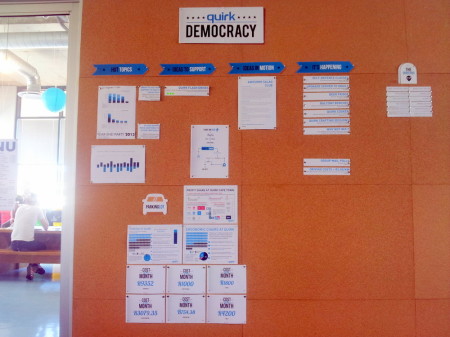
    Overall Board

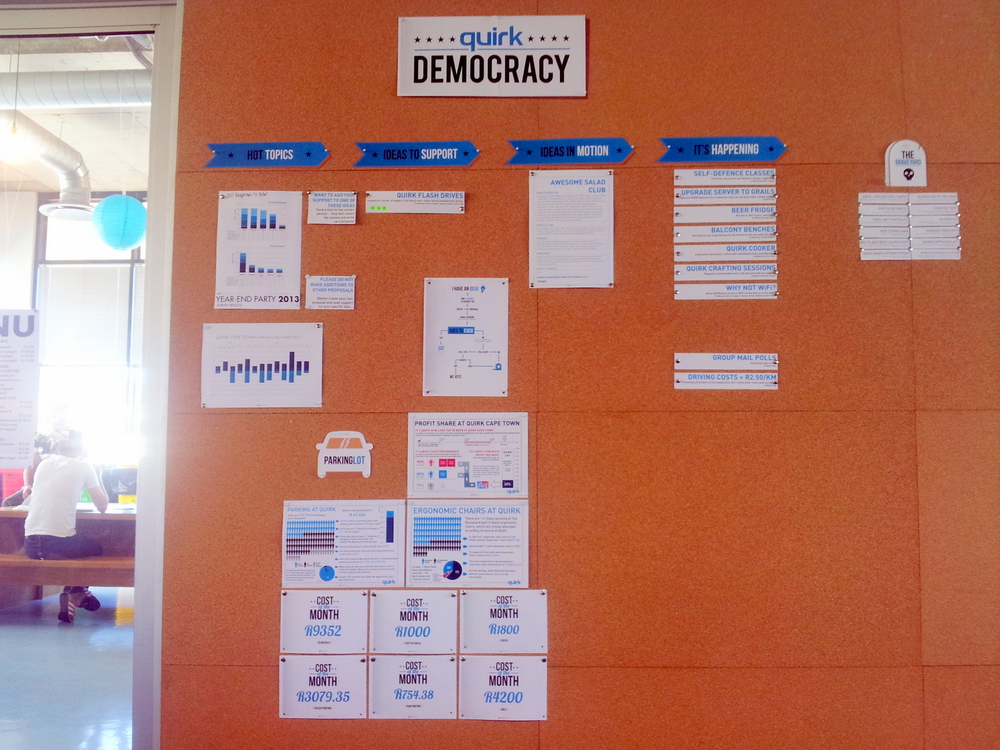
    South African social media agency Quirk has a process in place that encourages employees to bring about any problems they see to the attention of the executive team. The process gives all employees a voice and guarantees action from the executives in two weeks at the most.

    You can read about their process here.

    4: Give employees time for family

    Here is a letter that US vice president Joe Biden sent to his staff in 2014:

    biden


    He explicitly tells them that it’s OK to prioritize important family events over work.  Appreciating staff and giving them time for family makes them happier – and happy staff are more productive. It also combats the ubiquitous cult of overwork.

    3: Say good morning

    Carsten and Karsten, two sales managers at Danish company Solar, wanted to do something nice for their employees.

    Early one Monday morning, they stood at the entrance and greeted every employee with a cheerful “good morning” and a breakfast they could take to their desks.

    2: Celebrate mistakes

    In one company, the CEO was told by a trembling employee, that the company website was down. This was a big deal – this company made most of its sales online, and downtime cost them thousands of dollars an hour.

    The CEO asked what had happened, and was told that John in IT had bungled a system backup, and caused the problem. “Well, then,” says the CEO “Let’s go see John!”

    When the CEO walked into the IT department everyone went quiet. They had a pretty good idea what wass coming, and were sure it wouldn’t be pretty.

    The CEO walks up to John’s desk and asks “You John?”

    “Yes” he says meekly.

    “John, ” says the CEO, “I want to thank you for finding this weakness in our system. Thanks to your actions, we can now learn from this, and fix the system, so something like this can’t happen in the future. Good work!”

    Then he left a visibly baffled John and an astounded IT department. That particular mistake never happened again.

    In many workplaces,  employees who do good work are rarely recognized but anyone who makes a mistake is immediately and harshly punished. This is dumb.

    When we can openly admit to screwing up without fear of reprisals, we’re more likely to fess up and learn from our mistakes. And that’s why top executives should help employees celebrate mistakes.

    As an example, IT company Menlo Innovations in Michigan has this banner hanging in their office:

    Make mistakes faster

    1: Walk the halls and meet people


    One day, the IKEA store in Gentofte, Denmark was a hive of activity. Not only was there a European executive meeting taking place, but the company founder, Ingvar Kamprad himself, was in the house. That’ll make most employees straighten up and put in a little extra effort.

    The execs wrapped up at 6 in the evening and Ingvar then took a stroll through the entire store as if this was the most natural thing in the world, kindly greeting each and every employee. He encountered two female employees talking to each other and approached them with a smile and the words: “And what are you two lovely ladies talking about?” – following up with big hugs for both of them.

    I love this because it shows a genuine interest in the employees and because Kamprad is clearly happy himself and not afraid to show it.

    We know from psychological studies that emotions are contagious and top leaders can spread a lot of happiness simply by being happy themselves.

    The point

    This list is by no means exhaustive and it’s definitely not meant to be prescriptive. We’re not saying all executives should do these things.

    What we are saying is that top executives play a huge role in creating happy workplaces. They do this in the big stuff – by making sure that the strategies, plans, goals and values they set for the organization are defined with the employees’ well-being in mind.

    But they also do it in small, daily, interpersonal ways where they can show that they genuinely care about their people, can build relationships with employees and can let employees see them as real human beings.

    However, this can only work under a few conditions:

    1. It must flow from a genuine care for the employees. If the CEO doesn’t honestly care about her employees, she shouldn’t try to fake it. But I’ve always said that if you don’t care about people, you have no business leading them.
    2. Executives must WANT to do things to make employees happier. It’s OK to go a little outside of your comfort zone but if you do things you actively hate, that fact will shine through and it probably won’t work.
    3. Actions must match words. You can’t on the one hand make pancakes or hug employees and on the other hand introduce large-scale organizational changes with no regard for how employees feel. They will see right through that.
    4. Consistency over the long term is mandatory. If you do this for a short while or only do it some of the time, it will be recognized as fake.

    Understanding this and acting on it gives the executives in a workplace huge leverage to make their employees feel valued professionally and personally – thus increasing happiness, engagement and motivation as well as productivity.

    Not doing this – and let’s face facts, most executives don’t – means failing your employees, your customers and your investors.

    Your take

    Do you think executives should care about the happiness of their employees? Do the executives in your workplace honestly care about their people? How do they show it / not show it?

    Related posts

  • IKEA UK voluntarily raises wages for lowest-paid workers

    IKEA UK voluntarily raises wages for lowest-paid workers

    This announcement from Pernille Hagild, Ikea’s HR Manager in the UK and Ireland, is beyond awesome:

    We will adopt the Living Wage (as defined by the Living Wage Foundation) from the 1 April 2016. This means all our co-workers across the UK will receive a minimum of £7.85 per hour and £9.15 per hour within London. The Living Wage is a hot topic in the press at the moment so we feel it’s important to explain why we have made this decision.

    Ikea has seen that the UK minimum wage of GBP 6.75 is too low to allow many of their employees to live well and have therefore decided to voluntarily raise salaries to follow the recommendations of the Living Wage Foundation.

    Why? Because Ikea’s values are not only about doing good for the customer but also extend to the employees. Pernille puts it like this:

    Ikea is a values-driven company. We are guided by a vision “to create a better everyday life for the many people” and this vision includes our co-workers as much as our customers and the communities touched by our business. Providing a meaningful wage to all of our co-workers, that supports their cost of living, is an important part of our values which are fundamental to who we are.

    Of course this is not cheap:

    The initial £7.5million investment is a big one for us and will benefit over half of our co-workers here in the UK. We have been discussing this for the past year and the thought behind our decision is pretty simple: it is the core of our values to treat people equally and decently. We believe in paying a fair wage for all co-workers regardless of how old they are and that also takes into account where they live.

    Will it make employees happier?

    It does however raise the question of whether this will make employees happier. Do salaries matter?

    Here’s what we think: Wages have the power to make us unhappy if we perceive them to be unfair or if they are so low that we spend a lot of time and energy worrying about our finances.

    Once salaries reach the point where they are fair and allow us to live comfortably, further raises do not increase happiness.

    This move specifically addresses those issues and can take away much potential unhappiness for many of Ikea’s employees.

    That being said, it’s also noteworthy that Ikea UK does this voluntarily and out of a genuine desire to improve their employees’ lives. This means that the move might have an actual positive effect beyond just reducing financial unhappiness because it strengthens the relationship between employees and employer, by showing that the company cares about them.

    It’ll be really interesting to see how this plays out.

    I love everything about this. I strongly believe that if your business can’t afford to pay the employees a living wage, then you don’t deserve to be in business.

    The fact that Ikea is a long-term client of ours and that Pernille Hagild is a friend of mine who helped introduce a similar move in Ikea Denmark years ago only makes it MORE awesome :)

    Related posts
  • Hate your job? March 31 is International Quit Your Crappy Job Day

    Hate your job? March 31 is International Quit Your Crappy Job Day

    Too many people hate their jobs but still stay in them. This is what we know:

    • Around 20-40% of employees are unhappy at work
    • Hating your job can harm your career, your health and your private life
    • Many people are reluctant to quit and stay for too long in bad jobs

    This is clearly a recipe for disaster for everyone who feels stuck in an unhappy work situation.

    We want to change that, so we’ve declared March 31 to be International Quit Your Crappy Job Day and have created a web site to match at www.internationalquityourcrappyjobday.com.

    Here’s our announcement:

    On the site you can take a test to see if it might be time to quit and you can read a number of articles about quitting, including:

    There are also a ton of stories from people who found the courage to quit bad jobs. This one is my favorite.

    So if you are not happy at work, take a look at the site. Or if someone you know and love is stuck in a crappy job, consider sharing the site with them.

    We want more people to quit, but more than that we want many more people to realize that they have that option. Because if you hate your job, but believe that you are not free to quit and get away, the situation gets much, much worse.

  • How to praise yourself at work – and how NOT to

    How to praise yourself at work – and how NOT to

    i-am-awesome

    Is it OK to praise yourself at work?

    Could you tell a coworker something like “Hey, let me tell you what I just did – it was AWESOME!”

    Is it OK to send an email to the rest of your team to proudly share  that you found a creative solution to a tough problem?

    Can you take a little time in a project meeting to tell others about that task you just completed on time and under budget?

    Most people are reluctant to do that. They don’t want to seem arrogant or boastful or like they have a big head. But if you ask me, it’s perfectly OK to be proud of the good work you do AND to share that pride with others.

    Just as an example, If I’ve given a speech that I felt went REALLY well (which happens all the time these days) I share that with my coworkers. I tell them what happened and what it was that worked so well.

    However, self-praise can become really annoying if you do it wrong :) Here are 8 tips for praising yourself at work:

    1: Only praise yourself when you’ve earned it

    Just like any other praise, self-praise must be earned. You must have done something awesome before you praise yourself, otherwise it’s completely meaningless.

    2: Share the praise

    If you praise yourself for something you’ve done together with others, then you must include them in the praise. In that case you don’t say “I’m awesome,” you say “We’re awesome.”

    3: Don’t always only praise yourself

    It’s no good if you always only praise yourself and never recognize others. It’s required of all of us self-praisers that we’re especially good at acknowledging the cool things others do.

    4: Admit your mistakes too

    If you’re good at praising yourself when you rock, you should be the first to admit when you suck, apologize for your mistakes and be willing to learn from them and improve. People who can only see the good they do and completely overlook their own flaws  invite nothing but scorn and contempt.

    In fact, why not celebrate your mistakes?

    5: Praise yourself with genuine enthusiasm

    When you praise yourself, do it with an honest infectious enthusiasm. It’s OK to be proud of yourself. It’s OK to have a smile on your face, a spring in your step and pride in your voice when you share your accomplishments. In fact, it will be received more positively by others than if you do it with false humility.

    6: Moderation in all things

    It goes without saying that anything can be overdone – including self-praise. Don’t overdo it.

    7: Practice, practice, practice

    Practice makes perfect. It’s banal but true. Try it, see what works and then improve from there.

    8: Be ready to face skepticism

    Praise is sorely lacking from many workplace – including self-praise. This may lead to skepticism and resistance from others if you start doing it. If this happens, consider carefully if the criticism is because you’ve gone too far – in which case you should listen to it – or if it’s simply that people are not used to it – in which case you should continue doing it.

    Why you should praise yourself

    We can see four major advantages of self-praise. First, when you share your successes, others can learn from your best practices and maybe apply them themselves.

    Secondly, genuine enthusiasm is infectious. When you share something that made you happy, others become a little happier too.

    Thirdly, you can inspire others to also share their victories, so the whole team becomes better at sharing what works, to the benefit of all.

    And finally, if you are good at praising yourself, you’re not as dependent on receiving praise from others. As Spencer Tracy put it:

    It is up to us to give ourselves recognition. If we wait for it to come from others, we feel resentful when it doesn’t, and when it does, we may well reject it.

    And if all else fails, there’s always the self-praise machine that an employee at one of our clients built:

    Your take

    What do you think? Do you ever praise yourself at work? How do you do it? What are good ways or bad ways to do it? Write a comment, we’d love to hear your take.

    Related posts

  • The 5 most important findings from the science of happiness that apply at work

    The 5 most important findings from the science of happiness that apply at work

    Happy workplaces are more profitable and innovative, attract the best employees and have lower absenteeism and employee turnover rates. Simply put, happy companies make more money.

    But how do you create a happy workplace? We believe some of the answers are found in positive psychology – a fascinating field and one of the main inspirations for the work we do with our clients around the world.

    Traditional psychology looks at everything that can go wrong with our minds – psychosis, neurosis, phobias, depression etc – and asks how it can be treated/cured. It’s an incredibly important field but positive psychology asks the opposite question: When are we happy? What does it take for people to live good lives  and thrive psychologically? The field has been especially active for the last 30 years and we are learning some really interesting and surprising things about happiness.

    Here are the five findings from positive psychology that we believe are the most relevant in the workplace.

    1: Positive emotions have many beneficial effect on us and on our job performance

    We tend to trivialize emotions in the workplace. It doesn’t matter what you feel, the prevailing thinking goes – it matters what you think.

    You should never show emotions at work and the true professional has no emotions at work. You should be like Spock from Star Trek who once said “Emotions are alien to me. I’m a scientist.”

    But this turns out to be impossible. Not only do we have emotions, those emotions affect our physical and mental well-being in many ways and, in general, positive emotions have some strong positive effects on our work performance.

    Here’s one example:

    … a number of the participants were either shown a comedy movie clip or treated to free chocolate, drinks and fruit. Others were questioned about recent family tragedies, such as bereavements, to assess whether lower levels of happiness were later associated with lower levels of productivity.

    … they found happiness made people around 12% more productive.

    So far, studies have shown that experiencing positive emotions makes us:

    • More productive
    • More creative
    • Healthier
    • Braver
    • Less stressed
    • More resilient
    • More helpful
    • Less biased
    • More optimistic
    • More intrinsically motivated
    • Faster learners
    • More likeable
    • Better team players
    • More generous

    Simply put, happy people not only feel better and thrive more, they also do better work. This helps explain why happy companies are more profitable and hence why no workplace can afford to ignore how people feel at work.

    2: Emotions are contagious

    One study in emotional contagion at work brought test subjects together for a simulated negotiation. They didn’t know that one member of the group was an actor extensively trained by the researchers to exhibit certain emotions during the meeting.

    Would the emotions of one person affect the rest of the group? The answer is yes – and when the emotions transmitted by the actor were positive, the whole group became more effective:

    There was a significant influence of emotional contagion on individual-level attitudes and group processes. As predicted, the positive emotional contagion group members experienced improved cooperation, decreased conflict, and increased perceived task performance.

    It turns out that how people around you feel rubs off on you and vice versa. Being around others involves taking on some of their emotions and transferring some of yours to them. We have all experienced this. Being around happy people makes us a little happier. Being around miserable bastards has the opposite effect.

    This is highly relevant in the workplace because it shows we don’t exist in isolation. Happiness is a social phenomenon and each of us influence, and are in turn influenced by, the people around us.

    3: Small actions can have a large effect on our happiness

    One of the coolest things about positive psychology is that it is highly research-based and the various interventions are tested in numerous studies.

    You may think that in order to become happier in life, you have to win the lottery or achieve massive amounts of success. But what they have consistently found is that simple interventions are surprisingly effective. Here are some examples of proven happiness interventions:

    • Write a gratitude letter to a person who has helped you
    • Make a list of 3 good things that happened to you today/this week
    • Perform a random act of kindness for someone else
    • Receive positive feedback

    In the workplace, this means that while organizational factors like strategies, vision, values and processes do matter, it also matters how we work together and interact in our teams on a day-to-day basis. Do managers treat their employees with respect and kindness? Do coworkers trust each other, help each other and maintain good relationships? Do people take the time to treat each other well in the workplace?

    However, the research also shows that happiness interventions only work under 2 conditions:

    1. You have to do it and keep doing it. This is hardly surprising.
    2. You have to want to do it yourself. If someone else forces you to do it, it doesn’t increase happiness. This is why you have to be careful not to mandate certain behaviors at work in the name of happiness.

    4: Unexpected things make us happy

    According to research, we become a happier when good things happen to us (duh!) but the effect is even bigger when good things happen to us unexpectedly:

    Emory University and Baylor College of Medicine researchers used Magnetic Resonance Imaging brain scans to measure changes in human brain activity in response to a sequence of pleasurable stimuli.

    They used a computer-controlled device to squirt fruit juice or water into the mouths of 25 research participants. The patterns of the squirting were either predictable or unpredictable.

    The researchers found that the MRI scans showed a brain area called the nucleus accumbens to be much more active when the subjects received unpredictable patterns of juice and water.

    So:

    • Something nice happens that you expect = good
    • Something nice happens unexpectedly = even better

    This is interesting in the context of happiness at work because many of the things companies do to make their employees happier are utterly predictable: Summer parties, Christmas parties, Bonuses, team events, and so on happen on an almost completely fixed schedule, which serves to diminish their effectiveness.

    This is why we advocate also doing random acts of workplace kindness. According to this research, a small well-meant surprising gesture towards an employee or a team may make them much happier.

    So what could you do, to surprise a co-worker today? Here are some examples:

    5: Making others happy, makes us happy

    It’s been shown consistently that doing things to make yourself happier has a small effect on your happiness but doing things for others, elevates their happiness AND yours much more.

    In one study, participants received a small amount of money that they could spend either on themselves or on others. Their happiness was measured before and after, and subjects who spent the money on others experiences a much larger boost to their happiness.

    This means that one of the most reliable paths to happiness at work is to focus less on your own happiness and more on making others – be it coworkers or customers – happier.

    This is not to say that you should sacrifice yourself for others, to the point where you neglect your own happiness. It just means that focusing only on your own happiness is likely to be a shallow, meaningless and ultimately unsuccessful.

    The upshot

    Happy employees are healthier and more productive and happy companies make more money.

    That’s why every company and every manager need to make happiness at work their most important strategic priority. These findings from positive psychology  help point the way on how to do it.

    Related posts

  • 3 reasons why “Never Give Up” is really bad advice

    3 reasons why “Never Give Up” is really bad advice

    Ever seen one of these little “inspirational” images on facebook or linkedin? They’re are all over the damn place :)

    Not only is this kind of advice vapid and simplistic (and frankly it annoys the crap out of me), I believe that it might ultimately be doing us a major disservice.

    Here are 3 reasons why “Never Give Up” is really bad advice.

    1: Sometimes giving up is just the right thing to do

    TinaKibergI’m reminded of the story of the world famous opera singer Tina Kiberg.

    As a child, Tina was a competent violinist and spent her free time practicing and practicing. One day she participated in a violin contest and realized that she would never be more than a mediocre violinist and that she also enjoyed singing more. She gave up the violin, took up singing and became a leading international opera singer.

    If she had seen quitting as always the wrong thing to do, she might have been stuck as a run-of-the-mill violinist. Her courage to give up is what allowed her to become a world famous opera diva.

    Now try to guess what these somewhat successful people have in common: Larry Page, Sergey Brin, Tiger Woods, Reese Witherspoon, John McEnroe and John Steinbeck?

    Yep, they all dropped out of Stanford.

    Ever heard that “Winners never quit and quitters never win?” What nonsense!

    Look at pretty  much any successful person and I bet their past is littered with things they did at one time and then gave up.

    Sometimes you’ve got to stick with something, even through tough times. But sometimes you have to have the courage to give up. And you have to be open to the fact, that sometimes giving up is the right way forward.

    2: Powerful psychological biases already make it hard for us to give up

    There are a number of cognitive processes that systematically make it harder for us to leave existing situations and move on to something new – even when we’re miserable with the status quo.

    Just off the top of my mind, here are some cognitive biases, that conspire to keep us stuck in bad situations:

    The sunk cost fallacy
    When you’ve spent a lot of time/money/focus on something, it becomes very hard to walk away from it. People think “I’ve invested so much in this already. If I quit, that will all have been wasted.”

    The ambiguity effect and the status quo bias
    People tend to select options for which the probability of a certain outcome is known, over an option for which the probability of that outcome is unknown. Example: “I know my current situation is tough, but I know what I have. If I give up, I don’t know what I will get.”

    Loss aversion and the endowment effect
    Once we have something, we hate to lose it. Things we don’t have yet, don’t carry the same value.

    Given these cognitive biases, it’s already hard enough for us to give up, which might help explain why people stay stuck in bad jobs, bad marriages,  abusive friendships etc. We don’t need the added burden of simplistic “Never give up” advice making it even harder for us.

    3: Society attaches a stigma to giving up

    And yet, in the face of all this evidence to the contrary, society stigmatizes people who give up. Quitting is seen as weak, as a lack of passion or as personal failure.

    As I see it, “Never give up” is easy to say and therefore gets repeated a lot. It’s still not true and that makes it tremendously bad advice.

    I think it makes more sense to tell people to know why they do what they do and occasionally evaluate if it still makes sense to be doing it. There should be zero shame in giving up a fight you can’t win or in dropping a goal that no longer works for you.

    Quite the opposite – it’s the sign of a strong, mature mind to have the courage to reevaluate what you’re doing and either choose to keep doing it or to choose something else.

    So the next time you see someone post one of those “Never give up” type images on facebook, be sure to tell them just how wrong (and potentially harmful) that type of advice can be.

    Related posts